What is USB-C?
A Complete Guide to the Latest USB Connector

In recent years, USB-C has become the industry standard for modern electronics. Unlike older USB connector types, USB-C is smaller and more powerful, enabling manufacturers to design slimmer laptops, phones, and other devices, while offering better performance and more features.
Plus, with its reversible design, you’ll never have to guess which way round the cable goes — simply plug it in and go!
One of the standout features of USB-C is its support for USB Power Delivery (PD). This technology delivers higher power levels compared to older types of USB, meaning your devices charge faster and more efficiently. Read more about PD here. USB-C can also transfer audio, video, and other types of data, making it a perfect all-in-one connector for laptops and tablets, and empowering new device categories like handheld gaming PCs and headset displays.

USB-C supports higher-speed charging than USB-A, allowing you to charge everything from smartphones and wireless earbuds to powerful laptops and handheld gaming PCs, all with the same cable.

USB-C has been adopted across all major manufacturers. Whether you’re using an iPhone, Samsung Galaxy, or Google Pixel, a single USB-C cable can charge all your devices, making it easy to stay connected without needing to keep multiple cables on-hand for different devices.

USB-C continues to evolve, with new specifications supporting features like 240W charging and advanced Thunderbolt compatibility. Even more power and data capabilities are possible in the future, all while maintaining the same universal connector.
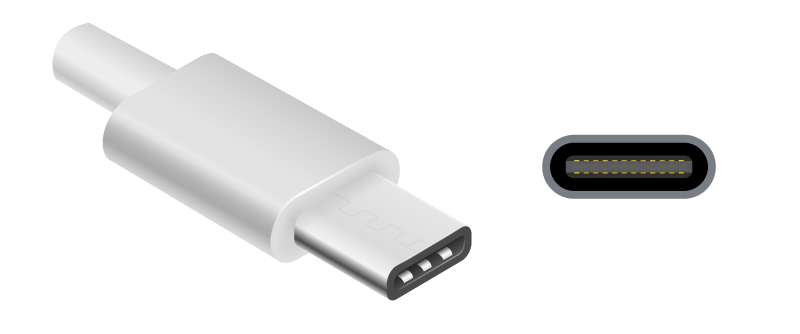
USB-C offers an unmatched combination of speed, power, and versatility. Whether you’re looking for faster charging, universal compatibility, or a sleek, future-proof design, USB-C is the connector that’s leading the way in modern technology. From our beginning, VELD has embraced USB-C and the new capabilities it unlocks for SUPER-FAST charging, across chargers and cables for the home, office, in your car and on-the-go:
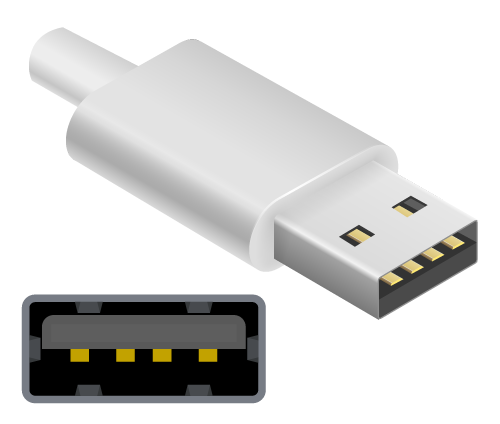
USB-A is the classic connector most people are familiar with. It’s still used in many older desktop PCs, laptops, and gaming consoles but is gradually being replaced by USB-C for its improved speed, versatility, and smaller size. USB-A is usually only found on one end of a cable, with the other end being either USB-C, Micro USB or Lightning.
Can support QC 3.0 fast charging, but not PD.
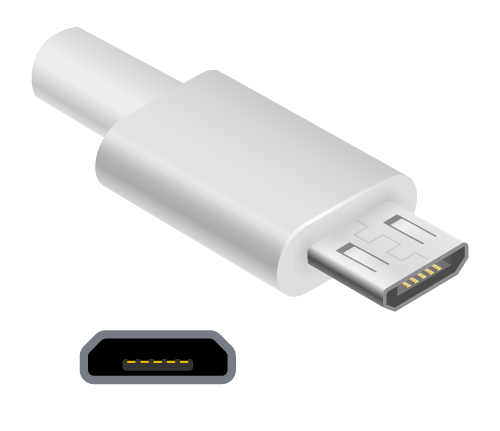
Once the standard for many non-Apple devices like smartphones, tablets, and game controllers, Micro USB has mostly been phased out in favor of USB-C. While it’s still found on some older hardware, most modern devices now use USB-C for charging and data transfer.
Can support QC 3.0 fast charging, but not PD.
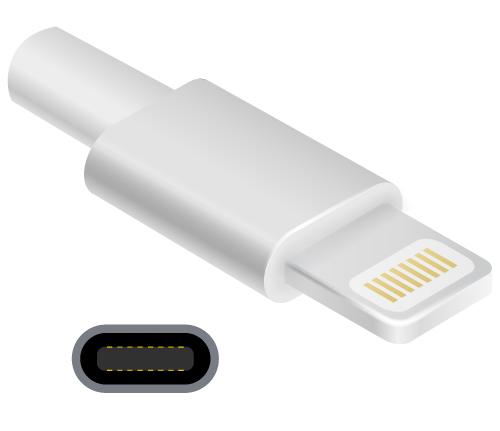
Developed by Apple, the Lightning connector was used on older iPhones, iPads, and accessories. As of 2024, Apple has transitioned to USB-C for all new devices, making Lightning obsolete on future iPhones and iPads. USB-C is now the universal standard for all Apple products.
Supports PD fast charging with a USB-C to Lightning Cable.